Use a strong object, detail or question to stop the visitor before asking them to read.
POST-VISIT REVAMP · 28 SEPTEMBER 2026
Make the Estate feel discoverable again.
The Stables already hold remarkable objects. The wider Estate already holds stories people do not know are there. The opportunity is to create a digital layer that makes younger visitors want to explore, scan, walk, collect and return.
Real objects from the visit QR-led mobile stories Younger-audience acquisition
PRIVATE CONCEPT
1939MERRYWEATHER
SCANSTORY LAYER
WHAT CHANGED AFTER SEEING IT IN PERSON
This is bigger than a Stables interpretation refresh.
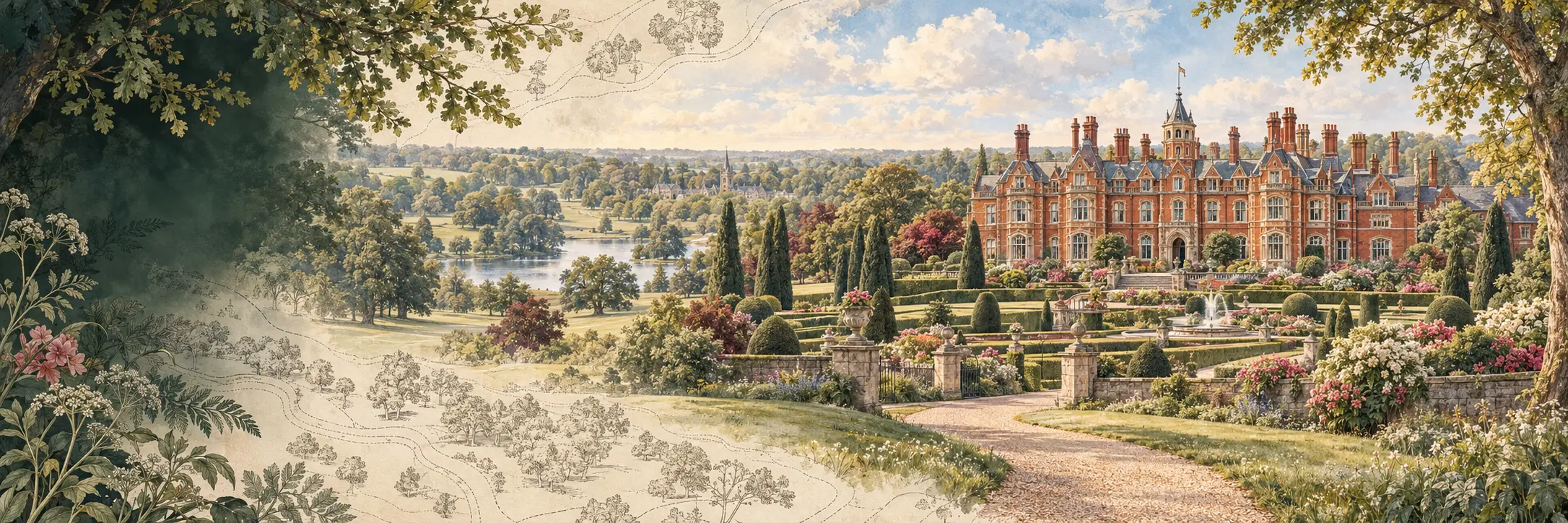
The Stables can be the first proof point for a wider Estate discovery system: physical markers and QR codes that unlock stories only where photography, filming, rights and visitor access allow it.
A QR marker opens a fast mobile story rather than another long wall panel.
Each story can point towards the next place: “Walk to the Stables to find the fire engine.”
Visitors can save discoveries, unlock routes and build a personal “found at Sandringham” trail.
REAL COLLECTION · REFRAMED FOR CURIOSITY
Four objects. Four different reasons to keep walking.
The object remains the hero. The digital layer simply makes the story easier to enter.
THE OBJECT THAT CAN PULL PEOPLE INTO THE STABLES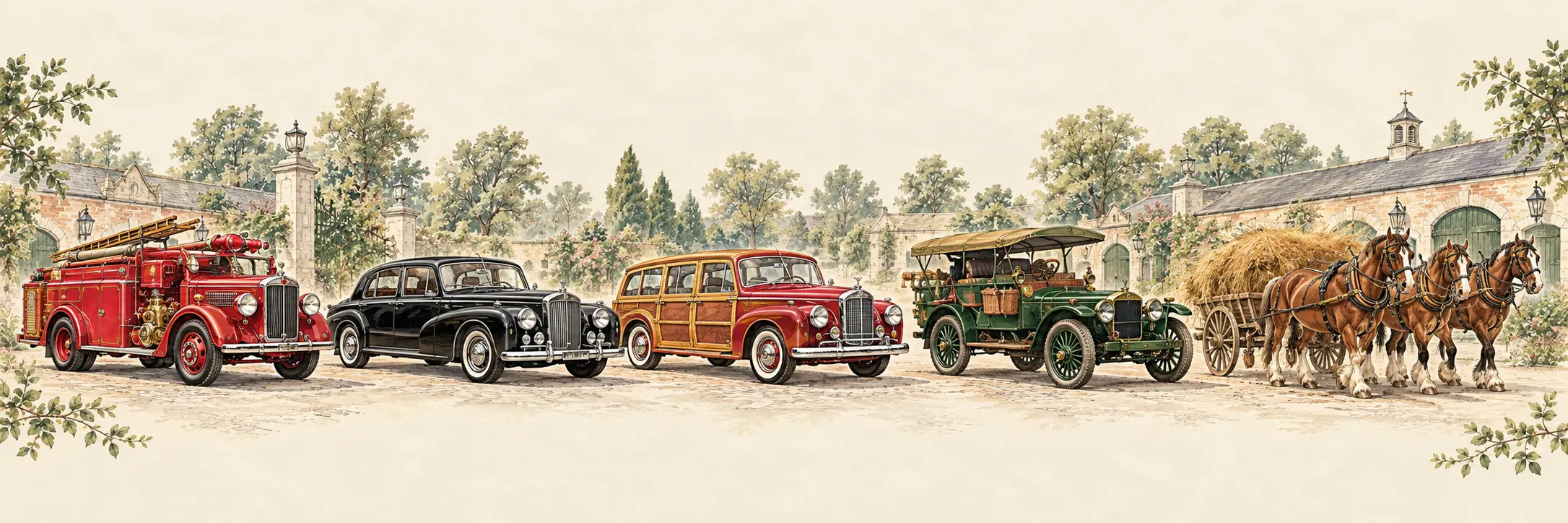
SCAN THE OBJECT
1939
1939 Merryweather Fire Engine
Bright red, enormous, mechanical — and immediately legible from across the room.
A ready-made gateway story for younger visitors.
The Estate display records a Merryweather 'Hatfield' motor fire engine acquired in 1939, with a six-cylinder chassis, a pump rated at 400 gallons per minute, seasoned mahogany bodywork and a telescopic extension ladder. It was also called upon during the Second World War to respond to fires in Norwich.
On-site Sandringham interpretation photographed during the September 2026 visit.
DISCOVERY 03 · THE STABLES
The 1939 fire engine
You found the object. Now find the detail that explains how it could move water at extraordinary speed.
Next: Royal motor cars · 22 metres
THE QR IDEA · BUT MADE WORTH SCANNINGDo not send visitors to a webpage.
Do not send visitors to a webpage.
Send them into a story.
A QR code at the House entrance can tease the Stables. A code beside the fire engine can reveal mechanics, archive material and the fires it connects to. A code beside a car can reveal the object’s working life. The platform then nudges the visitor onward.
01SEE
A strong physical marker or object catches attention.
02SCAN
One tap opens the exact story — no navigation hunt.
03DISCOVER
Short story first; deeper media only if wanted.
04GO
The story points to another place on the Estate.
THE DAY OUT · MADE DISCOVERABLE
One scan should change where you go next.
Instead of treating each object as a dead end, the mobile layer can build a route through the visit. The visitor always knows what they have found, what is nearby and why it is worth walking there.
1saved object stories
1/4route stops reached
1reusable visitor profile
THE YOUNGER MARKET DISCUSSED IN THE MEETING
The clearest fit is the Experience Seeker.
This is not shorthand for “young people.” It is a recognised high-value audience type: younger, social, digitally confident, culturally curious and actively looking for new experiences worth sharing.
25–44VisitBritain’s global priority Experience Seeker age range
high valuetravellers looking for distinctive experiences to share
9%of the UK population in Audience Spectrum’s Experience Seeker segment
56%of UK Experience Seekers are concentrated in the South
Give them moments and details worth photographing, not just information to consume.
Lead with what they did not know Sandringham had: fire engine, working cars, hidden histories, unusual routes.
Fast, elegant, scan-first interpretation with optional audio, video and “save this discovery”.
Build “bring someone” packages, weekend routes and small-group experiences rather than only conventional heritage visits.
A POSSIBLE 2027 CAMPAIGN FRAME
Come and find what the Royal Estate keeps.
Not a claim of access to private Royal life — a discovery proposition built around the remarkable things visitors are already permitted to see.
Cars, carriage stories, fire history and working objects.
1977–2027 memories, old photographs and “who brought you here?” contributions.
House + Gardens + Stables + Arboretum + food + a curated discovery trail.
PHYSICAL + DIGITAL · ONE VISITOR JOURNEY
The QR code should feel like part of the Estate — not a sticker added afterwards.
The physical prompt has one job: create enough curiosity for the visitor to scan. The mobile story then earns the next few minutes and points the visitor towards another approved location.
S
HOUSE ENTRANCEThere is a 1939 fire engine here.
2 MIN WALK · SCAN TO FIND IT
01
A bold teaser before the visitor reaches the Stables. The object itself becomes the reason to walk.
S
FIRE ENGINE400 gallons a minute.
SCAN THE STORY
02
Lead with the extraordinary fact first, then reveal the engineering, wartime use and Sandringham Fire Brigade story.
S
ROYAL MOTOR CARSWhy is the mascot different?
LOOK CLOSER · THEN SCAN
03
Use a small detail on the Phantom V to turn passive looking into active discovery.
S
ONWARD ROUTEYou have found 3 of 4.
CONTINUE YOUR TRAIL
04
Reward progress and give the visitor a reason to keep walking rather than ending the interaction at one object.
Curiosity firstOne strong question or fact, not a paragraph.
Estate appropriateQuiet materials, restrained typography, removable hardware.
Direct deep linkEvery code opens the exact story — never a generic homepage.
MeasuredEach marker has its own source ID so movement can be understood.
TURN INTEREST INTO A BOOKABLE REASON TO COME
Build the visit around the audience — not just the admission ticket.
The digital layer becomes much more valuable when it helps package the Estate into a day worth travelling for. These are concept directions for testing, not proposed public products until Sandringham approves them.
01 · CORE PILOT
A day of things you did not know were here.
Arrival story → House and Gardens → Stables discovery trail → lunch → Arboretum → saved digital collection.
25–44friends / couplesshareableone-day trip
YOUR SANDRINGHAM DAY4 discoveries · 1 route
Saved to your visit plan
FROM FIRST PROOF TO ESTATE SYSTEM
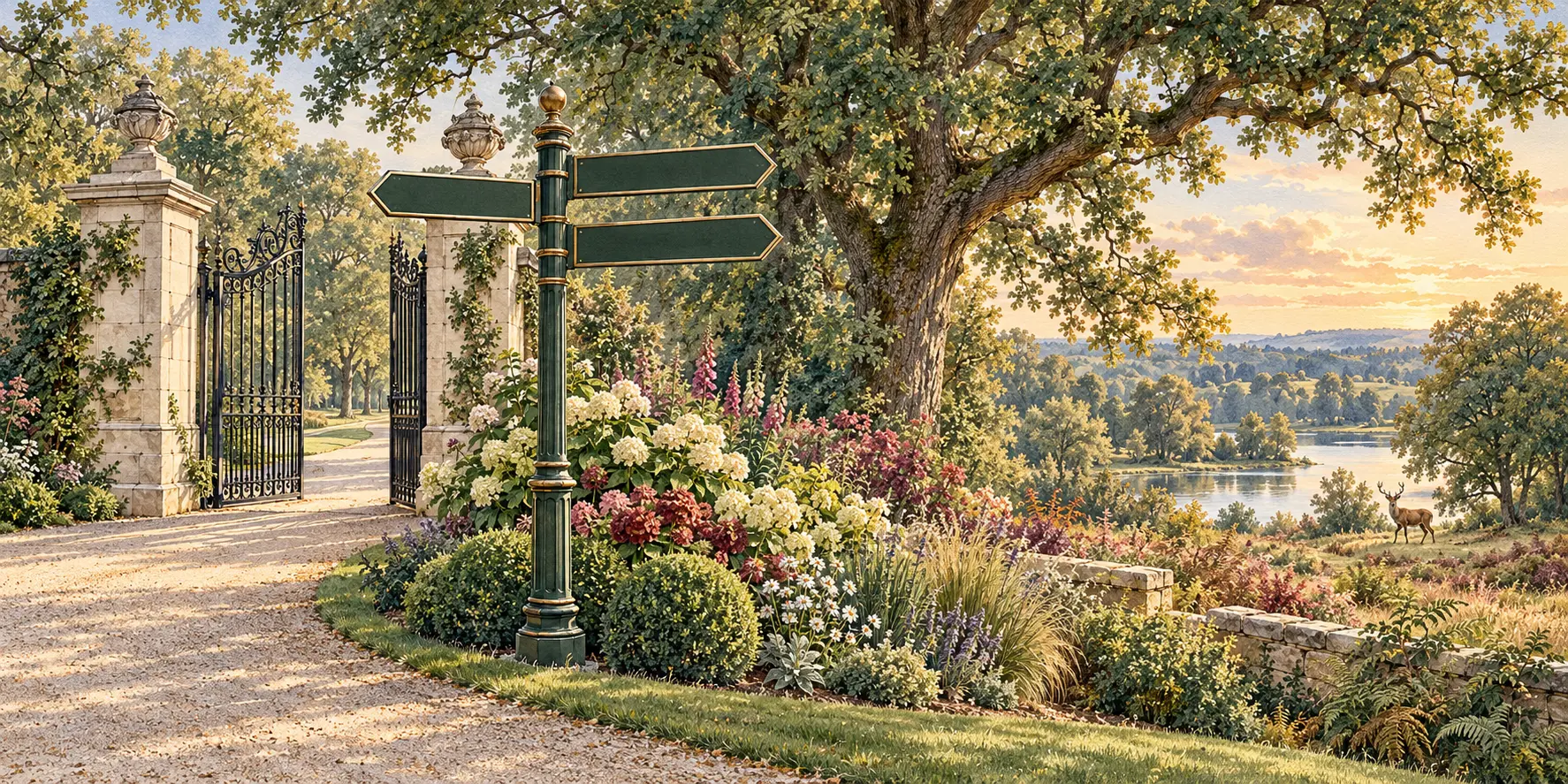
The Stables prove the story. The wider Estate turns it into a journey.
Object interpretation, physical markers, the living map and the visitor companion now share one recognisable visual hand and one onward logic.
“Technology disappears when it is not useful. The Estate remains the interface.”Private illustrative concept · not commissioned or approved by Sandringham Estate · mapping is not survey accurate
RECOMMENDED FIRST PILOTStart with the Stables.
Start with the Stables.
Design for the whole Estate.
04hero object stories
Phantom V, Woody, Merryweather and Game Cart.
06–10QR markers
Entrance teasers, Stables objects and one onward Estate trail.
01mobile collection
A reusable template for every future object or permitted location.
01younger-audience test
Recruit Experience Seekers and measure scans, dwell, onward movement and recall.